Projects
High-frontier development projects in IT security, network analysis, and cryptography.
CellSight
A high-performance, fully offline desktop GUI application designed for mobile forensics extraction parsing and analysis. Built with Go and Wails, it efficiently ingests and decodes massive Cellebrite UFDR archives, offering a comprehensive suite of tools for exploring chats, call logs, geo-coordinates, and embedded SQLite databases.
Argos
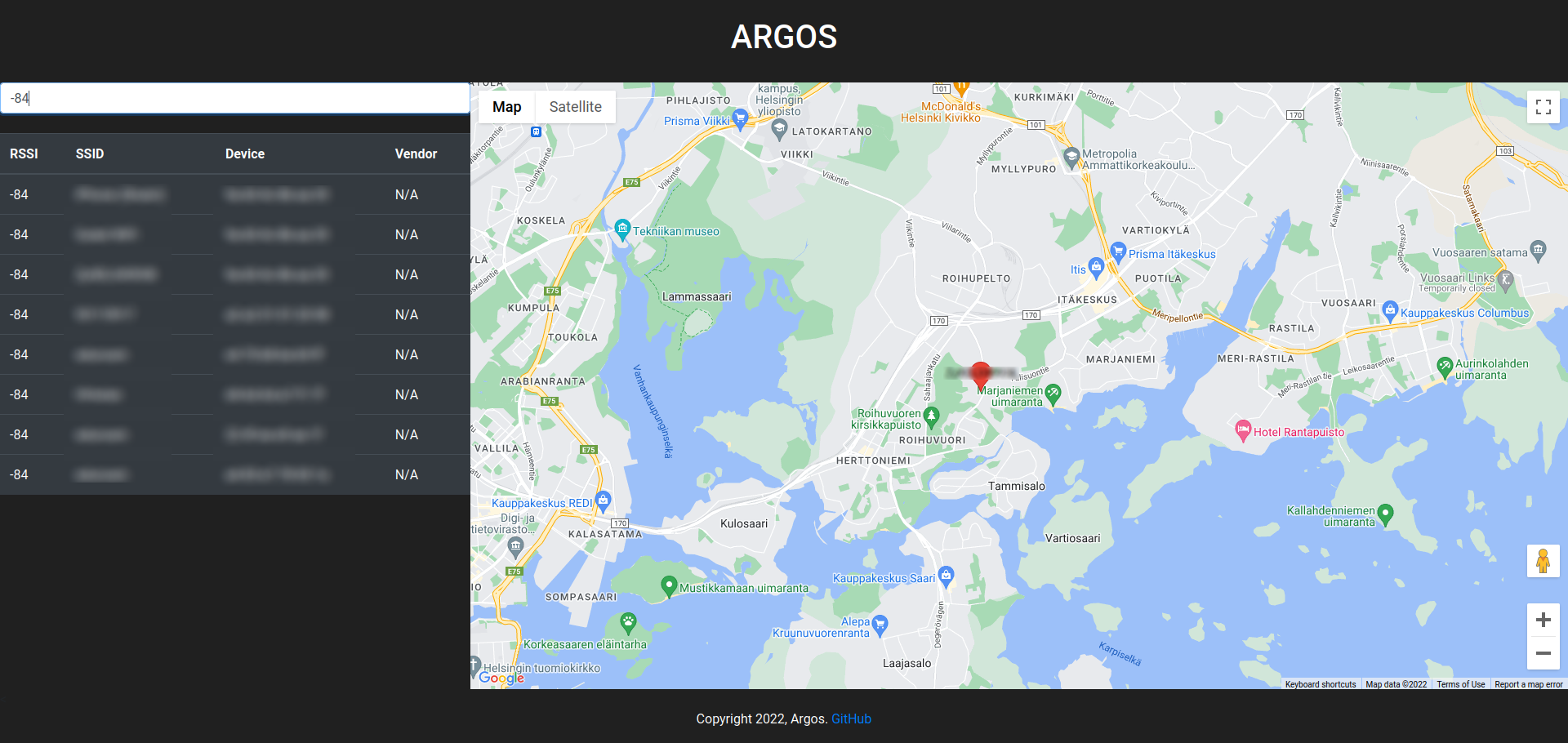
A Python-based Wi-Fi Probe Request reconnaissance framework. It passively captures probe requests, extracts SSIDs, and queries the WiGLE database for geographic coordinates. Discovered networks are dynamically mapped using the Google Maps API, visualizing real-time information exposure and device tracking.
HIDNinja
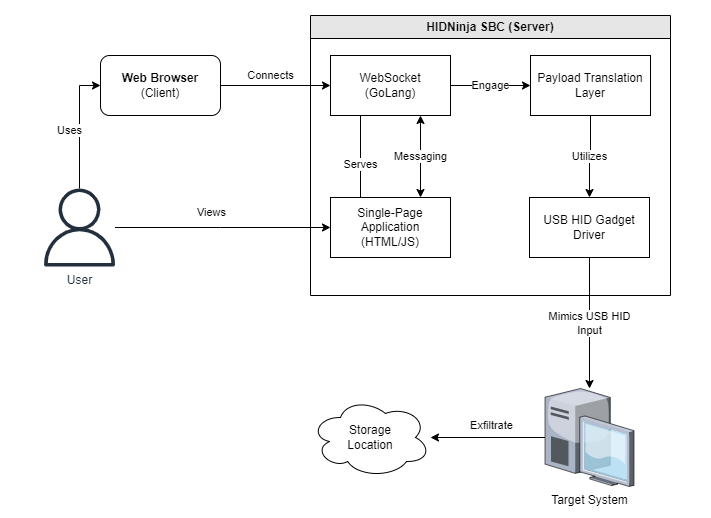
A covert wireless HID keystroke injection platform featuring a remote payload delivery interface. Written in Go, it leverages a Linux SBC to mimic a legitimate USB HID device, while stealthily receiving and executing payloads dispatched over an onboard wireless network interface.
R36SX-ExportTool
A specialized data recovery utility designed to pull raw contents off MicroSD cards with broken or missing partition tables. It specifically targets and resolves corruption issues commonly found on low-quality, fake-capacity storage media bundled with r36s(x) handheld clone devices.
Data Security Intro
An extensive, interactive guide illustrating the core concepts of data security. Built for developers and technical individuals stepping into the cybersecurity landscape, it features a curated collection of theoretical and practical training labs covering environments like WebGoat, OverTheWire, and Metasploitable.